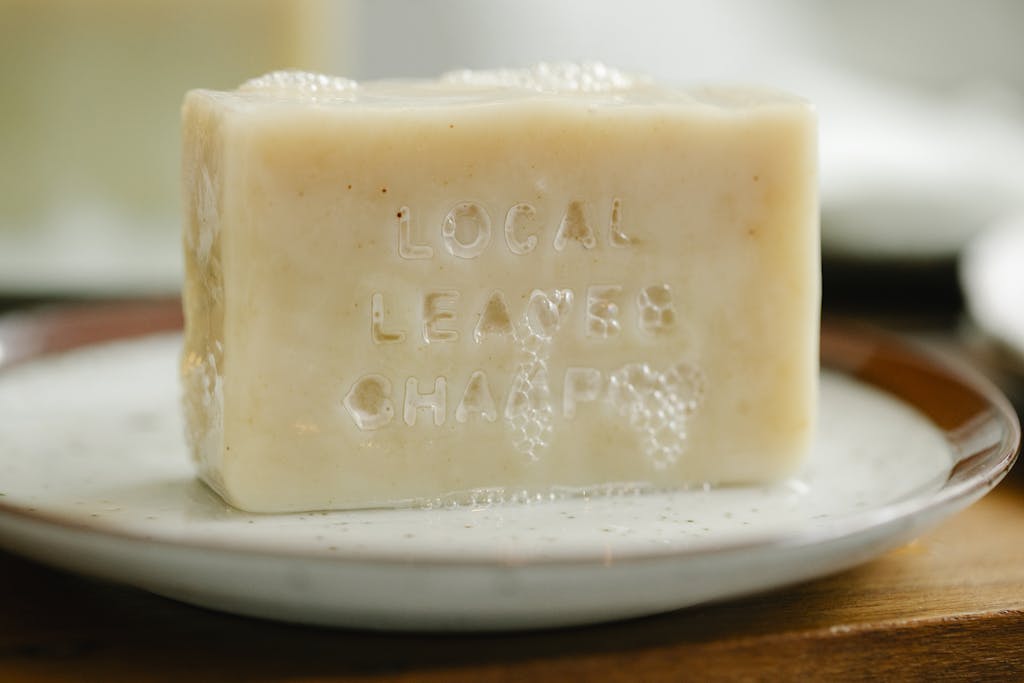
This easy DIY recipe is especially close to my heart because it’s designed for those dealing with eczema symptoms, sensitive skin, or the ups and downs of inflammatory skin conditions. If you’ve ever watched a child or family member struggle with itchy skin, irritated skin, or the pain of eczema flareups, you know how important it is to find a gentle soap made with natural ingredients instead of harsh chemicals. That’s where this terrific recipe for goat milk soap bars comes in. It is a mild, gentle goat’s milk soap that is known for reducing irritation while being nourishing and moisturizing. I watched my son struggle with eczema for years. When I began sharing my soaps, I had so many people contact me stating that after trying everything, they found relief with this soap. I hope you can find relief from it too.
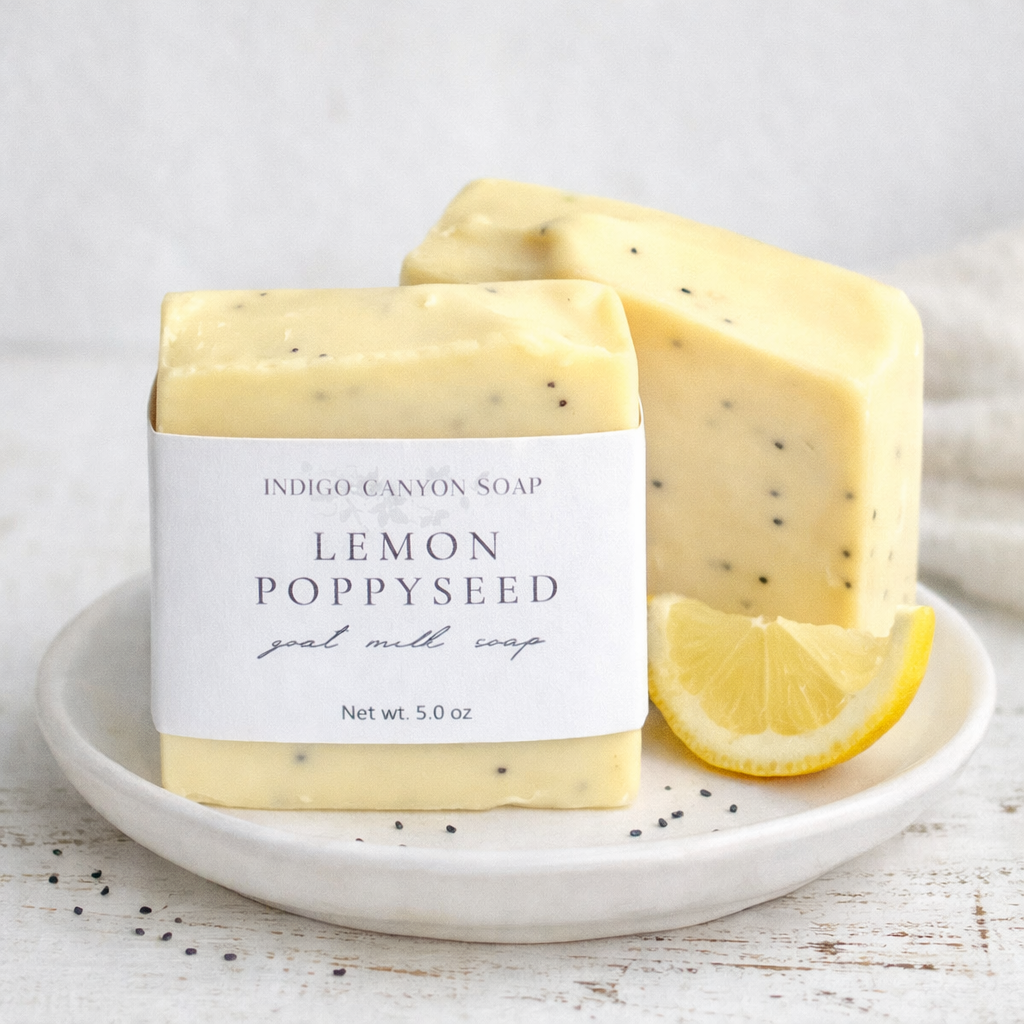
If you’re not into making soap, but would like to purchase one instead, you can find this salt bar, lightly scented with peppermint in our shop.
Why You’ll Love This Goat’s Milk Soap for Eczema Recipe?
Recently, we are more-closely scrutinizing what goes on our bodies and in our bodies. We know that commercial soaps are often full of detergents, preservatives, and fragrances that strip away moisture and irritate skin. For eczema sufferers, commercial soaps can make symptoms of eczema worse.
That’s why turning to homemade soap made with fresh goat milk or frozen goat milk is such a blessing. Goat milk contains lactic acid, which gently dissolves dead skin cells and encourages new cell growth, improving skin tone and helping with healthy skin. The creamy fats and essential fatty acids in goat milk leave skin soft and nourished without the sting of harsh chemicals.
If you’ve ever made your own soap, you know how different it feels compared to store-bought bars. A bar of soap you made yourself carries not just the richness of coconut oil, olive oil, shea butter, castor oil, avocado oil, and cocoa butter—but also the love and intention you poured into it. It’s the best feeling for me, when I know exactly what my family is using because I made it with my own hands, choosing each ingredient with thought and intention.
The Heart Connection: Emotion in Soapmaking
Soapmaking has been part of my healing journey. As many of you know, I’ve been caring for my husband after his stroke while raising a teenage daughter. Some days I’ve had to learn how to fix things in the house on my own, and other days I’ve had to find new ways to stretch our resources. Through it all, I’ve found peace in simple tasks like kneading bread dough, stitching a tear in a favorite quilt, or swirling soap batter into a soap mold. It reminds me that the work of our hands matters.
How Skin Works
Our skin is the body’s largest organ. It protects us, regulates temperature, and prevents infection. For those with inflammatory skin conditions like eczema, the protective barrier doesn’t work as well. This means moisture escapes easily, leading to dry skin, while irritants sneak in, causing redness, itching, and sometimes pain. Over time, eczema symptoms can steal comfort and confidence.
Why Goat’s Milk Soap Helps
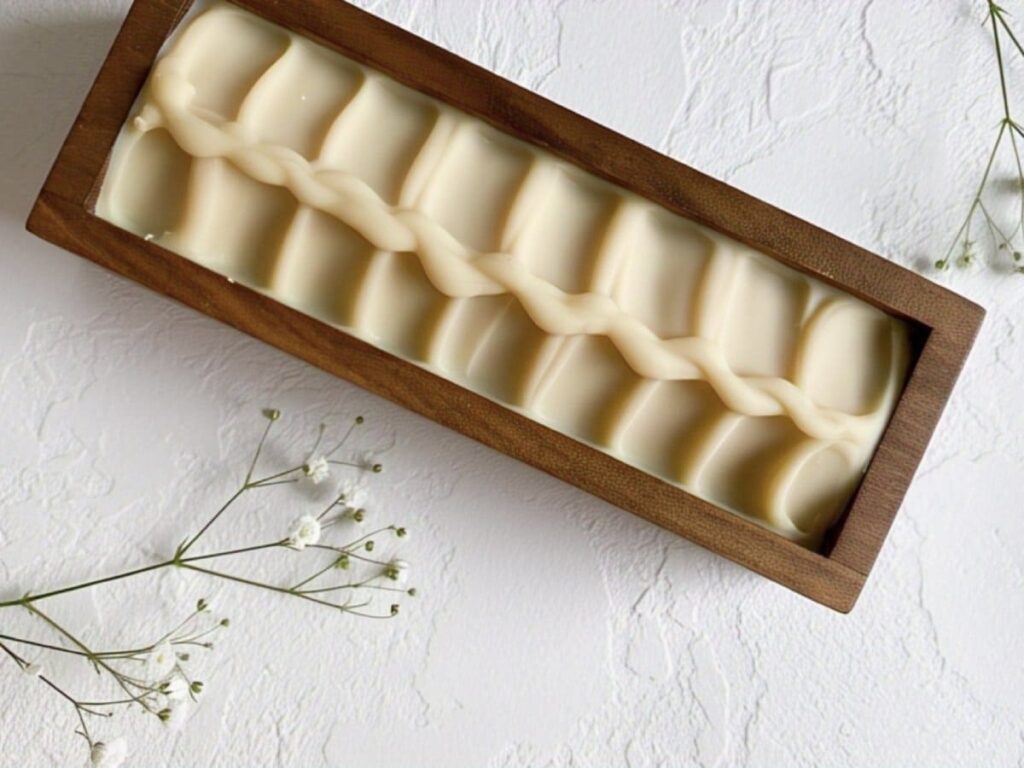
The natural fats and lactic acid in goat milk restore balance, gently exfoliating dead skin cells while moisturizing. Paired with oils like olive oil and shea butter, goat milk soothes skin irritation without harshness. Many eczema sufferers find relief simply by replacing commercial soaps with a homemade recipe like this goat milk soap base or cold process soap recipes. I know for my son and some feedback I’ve gotten from others using my soaps, that prescription medications given for eczema were not nearly as effective. So many basic ingredients are mild yet powerful and effective.
Ingredients
Here’s what you’ll need for this goats milk soap recipe (this makes about 8–10 bars of soap):
- 10 oz coconut oil
- 10 oz olive oil
- 5 oz shea butter
- 2 oz castor oil
- 2 oz avocado oil
- 2 oz cocoa butter
- 13 oz frozen milk (either frozen goat milk or fresh goat milk cooled to room temperature)
- 4.6 oz sodium hydroxide (for your lye solution)
- 1 tbsp raw honey (optional)
- 1 tsp vitamin E
- 1 oz fragrance oil (skin-safe and optional, for those without fragrance sensitivity)
How to Make Goat Milk Soap
Step 1: Prepare Your Goat Milk
Most people begin with frozen goat milk or chilled fresh goat milk. You can also use ice cube trays to freeze milk in small portions, which makes it easier to handle when mixing your lye solution. This method is perfectly fine, but this wife and mama is busy, so I just add the milk directly to oils. If you have heated them, this cools them down a bit to make the process even faster…yay! Any time I can find a way to do things more efficiently, I’m a happy girl!
Step 2: Mix the Lye Solution
Carefully add sodium hydroxide to your frozen milk cubes (never the other way around). This will create your lye solution. Stir gently, keeping the mixture at room temperature if possible. Remember—soapmaking requires patience and care, especially if this is your first time.
Step 3: Melt Your Oils
In a stainless steel pot, melt together coconut oil, olive oil, shea butter, castor oil, cocoa butter, and avocado oil. Let the oils cool until they are close to room temperature.
Step 4: Blend Oils and Lye
Slowly pour your lye solution into the melted oils. Use your stick blender in short bursts until the mixture reaches a light trace (like thin pudding). This is your soap batter.
Step 5: Add Extras
At this stage, stir in raw honey, vitamin e, and any gentle fragrance oil if you’re using it. Keep in mind, if you’re making soap for eczema sufferers or sensitive skin, it may be best to leave fragrance out.
Step 6: Pour and Mold
Pour the soap batter into your chosen soap mold. For fun, you can also use ice cube trays for small gifts. Tap the molds to release air bubbles.
Step 7: Soap Cure
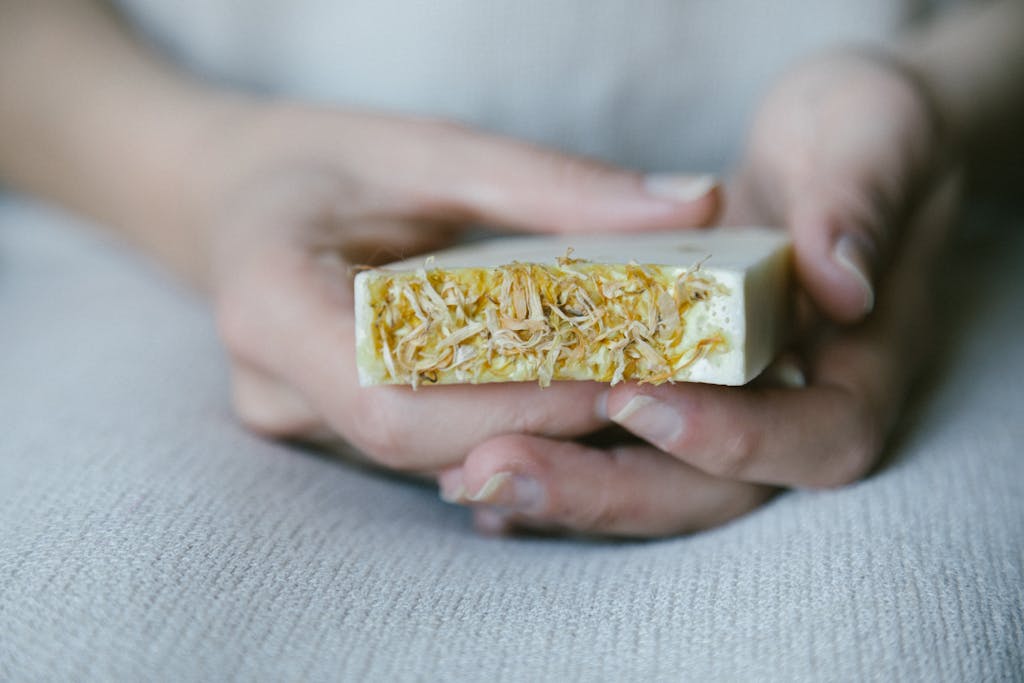
Cover your mold and let it sit in a cool, dry place for 24–48 hours. Then, remove the hardened soap and cut into bars of soap. Allow them to soap cure for 4–6 weeks before use.
Entertainment: The Joy in the Journey
Soapmaking can feel intimidating the first time, but trust me—it’s a lot like making bread. A little messy, sometimes unpredictable, but always worth it. And you’ll have stories to tell—like the time I forgot my ice cube trays in the freezer and ended up with goat milk slush, or when my daughter thought our goat’s milk soap base looked like frosting! These moments remind us that life isn’t about flawless execution—it’s about the laughter, the learning, and the love that fills our homes.
Wrapping It Up
If you’re looking for a homemade recipe that supports healthy skin, helps with eczema flareups, and avoids harsh chemicals, this natural goat milk soap is a gift for you and your family. Whether you make a single bar of soap or a whole batch of goat milk soap bars, you’ll know you’ve created something special.
This isn’t just about soap—it’s about reclaiming a simpler, more intentional way of life. About finding joy in the small, faithful acts that remind us of God’s goodness. And about knowing you’re not alone in this journey. We are sisters at the kitchen table, cheering each other on, celebrating every great soap made, and every small victory toward healthy skin.
So grab your oils, your goat’s milk soap base, your soap mold, and your courage. This is your terrific recipe. This is your moment to create something healing, hopeful, and beautiful.