Soap has a long history of keeping us clean, from ancient times to today. Discover 56 fun facts about soap, including its origins, ingredients, and role in personal hygiene.
Want to save it for later?
Soap’s Ancient Origins
- The earliest soap-making records date back to 2800 BCE in ancient Babylon, where a mixture of animal fats and wood ash was used for cleaning.
- Ancient Egyptians combined animal and plant oils with alkaline salts to create soap-like substances for bathing and treating skin ailments.
- The term “soap” is believed to have originated from Mount Sapo, a mythical Roman location where animal sacrifices led to the discovery of soap-making.
- In ancient times, soap was primarily used for cleaning textiles and wool rather than personal hygiene .
- Ancient civilizations like the Greeks and Romans adopted soap-making techniques from earlier cultures.
- Animal fats and wood ash were common ingredients in early soap recipes.
- The Ebers Papyrus (circa 1550 BCE) documents the use of soap-like substances in ancient Egypt for medicinal purposes.
- Roman Empire citizens used soap for bathing, though it was considered a luxury item.
- Syrian Aleppo soap, made from olive oil and laurel oil, is one of the oldest known soaps still produced today.
- Spanish Castile soap, traditionally made with olive oil, became popular in Europe for its gentle cleansing properties.
Soap Science and Ingredients
- Soap is created through saponification, a chemical process where fats or oils react with an alkali, like sodium hydroxide or potassium hydroxide.
- Fatty acids from oils and fats are essential components in soap-making.
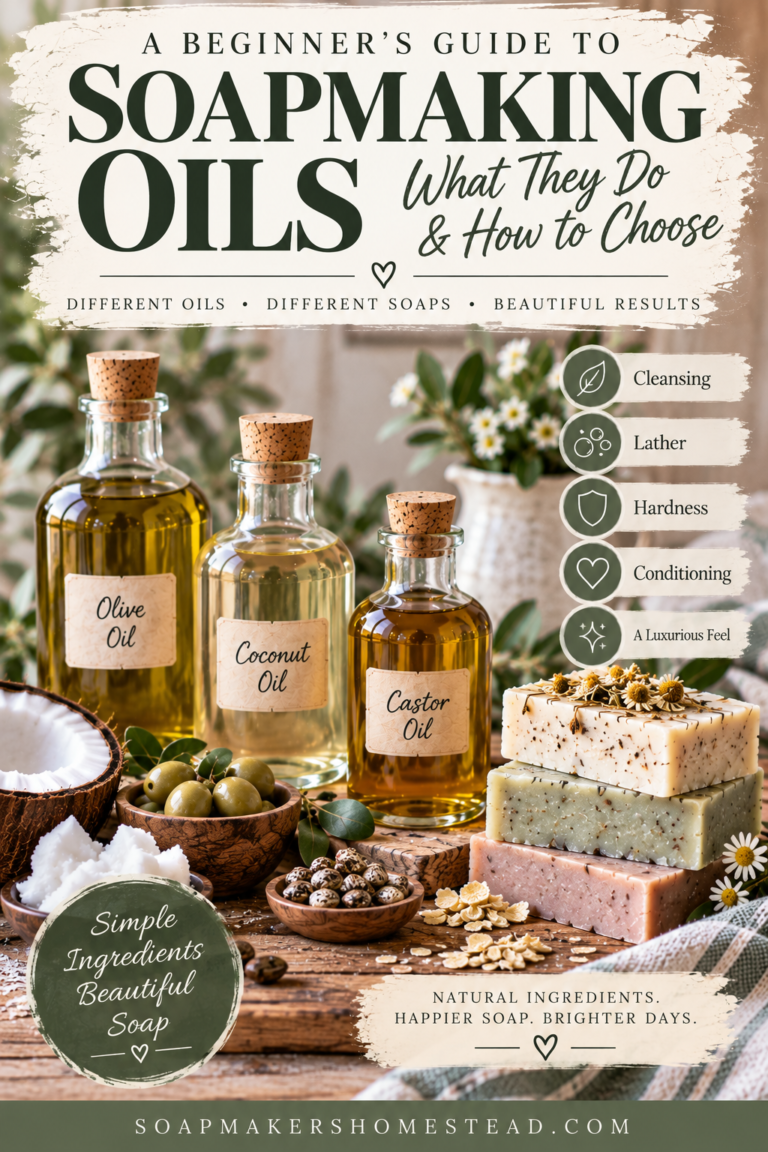
- Olive oil produces a mild, moisturizing soap, ideal for sensitive skin.
- Coconut oil contributes to a hard bar with a rich lather.
- Shea butter adds moisturizing properties and a creamy texture to soap.
- Essential oils are often added for fragrance and potential therapeutic benefits.
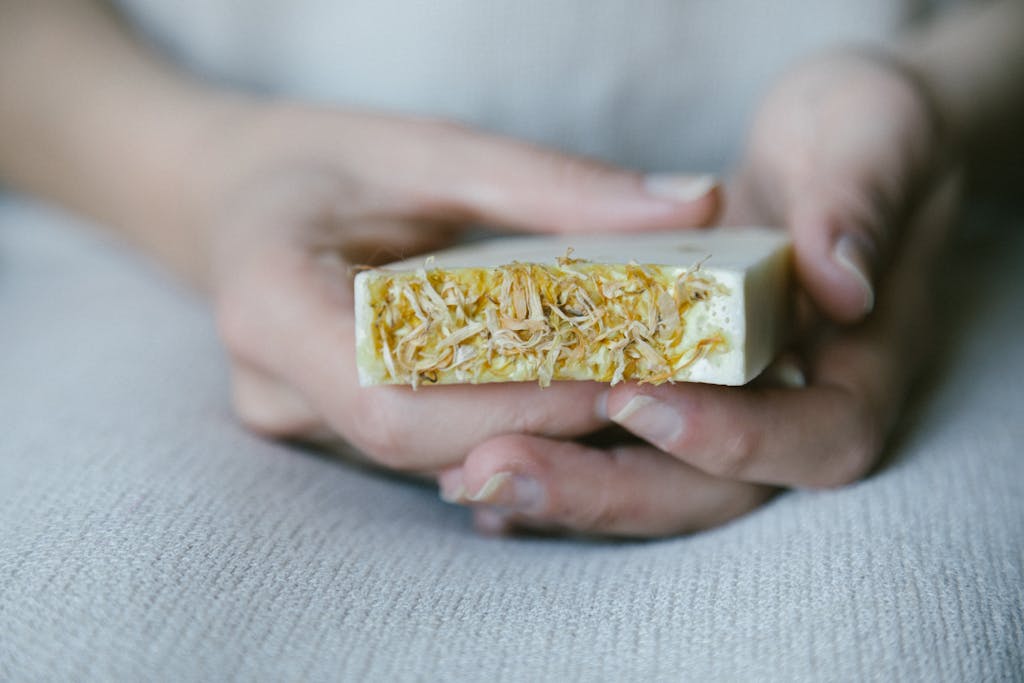
- Natural ingredients like herbs, clays, and botanicals can enhance soap’s aesthetic and skin benefits.
- Lye solution, made from water and sodium hydroxide, is crucial in traditional soap-making.
- Soda ash (sodium carbonate) can form on the surface of soap, creating a harmless white powder.
- Soap molecules have a hydrophilic (water-attracting) head and a hydrophobic (water-repelling) tail, allowing them to trap and remove dirt and oils.
Types and Forms of Soap
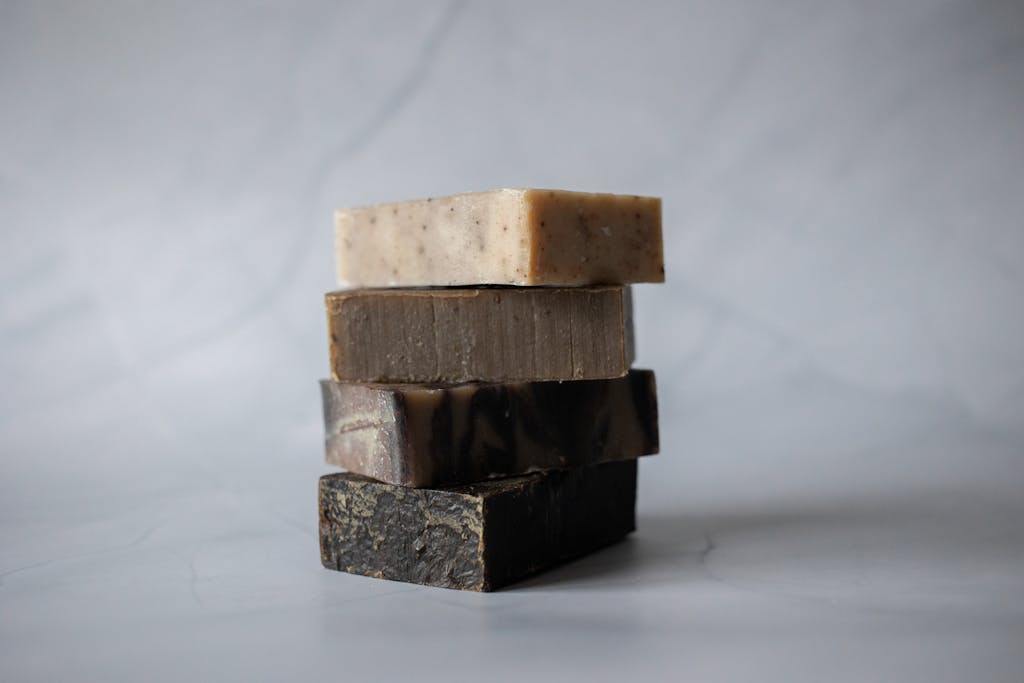
- Bar soap is a solid form, often made through the cold process method, which retains natural glycerin.
- Liquid soap is created by using potassium hydroxide, resulting in a softer, liquid consistency.
- Foam soap is a diluted liquid soap dispensed as a foam, reducing soap usage per wash.
- Hand soap is formulated specifically for cleaning hands, often with added moisturizers.
- Body wash is a liquid soap designed for full-body cleansing, sometimes with added exfoliants.
- Dish soap is formulated to cut through grease and clean dishes effectively.
- Laundry soap is designed to clean fabrics and remove stains.
- Antibacterial soaps contain chemical agents intended to kill bacteria, though their effectiveness over regular soap is debated.
- Natural soaps avoid synthetic additives and are often preferred for their environmental benefits.
- Synthetic detergents, often found in commercial soaps, are made from petroleum-based ingredients and can be harsher on the skin.
Soap in History and Culture
- During the Middle Ages, soap was a luxury item, and many people relied on water alone for cleaning.
- In the American colonies, soap-making was a common household chore, using available animal fats and wood ash.
- German chemists in the 19th century advanced soap-making techniques, leading to more consistent and effective products.
- During World War II, soap shortages led to the development of synthetic detergents.
- The term “soap operas” originated from radio dramas sponsored by soap manufacturers.
- The U.S. Food and Drug Administration regulates soap labeling, distinguishing between true soaps and synthetic detergents.
- Hand sanitizer gained popularity as an alternative to soap and water, especially in situations without access to clean water.
- The World Health Organization emphasizes the importance of handwashing with soap to prevent the spread of infection.
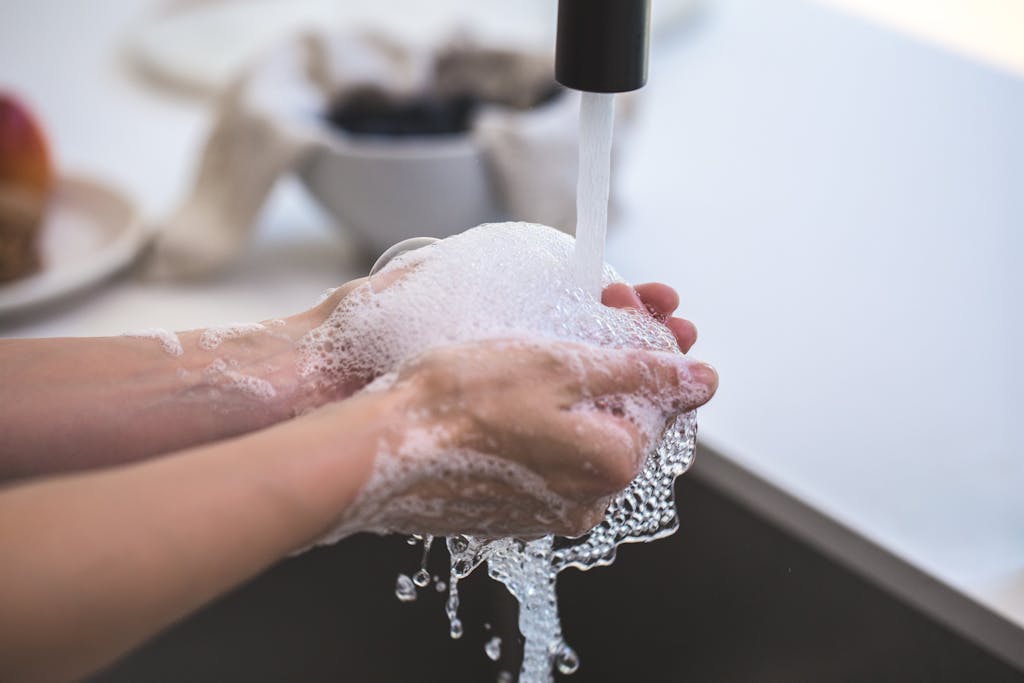
- Hand hygiene guidelines recommend washing hands with soap and water for at least 20 seconds.
- Soap has played a role in controlling skin diseases and improving overall personal hygiene.
Fun and Unusual Soap Facts
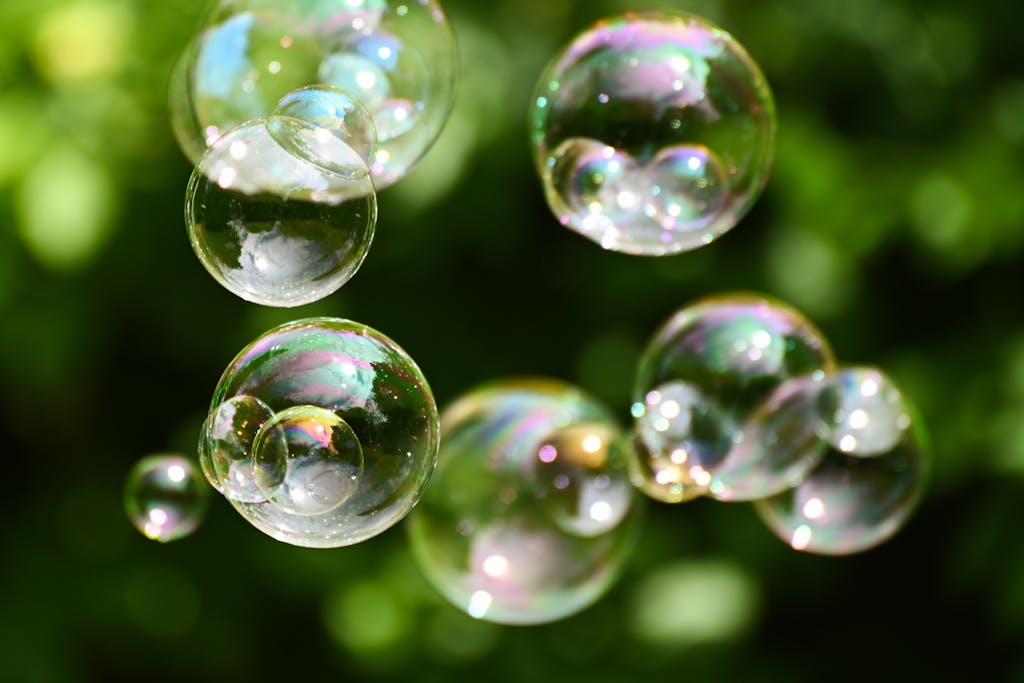
- Soap bubbles form because of the surface tension of water and the presence of soap molecules.
- The most expensive soap in the world contains gold and diamond powder, priced at thousands of dollars per bar.
- Some soaps are designed for sensitive skin, free from fragrances and dyes.
- Soap manufacturers often experiment with different oils to create unique textures and scents.
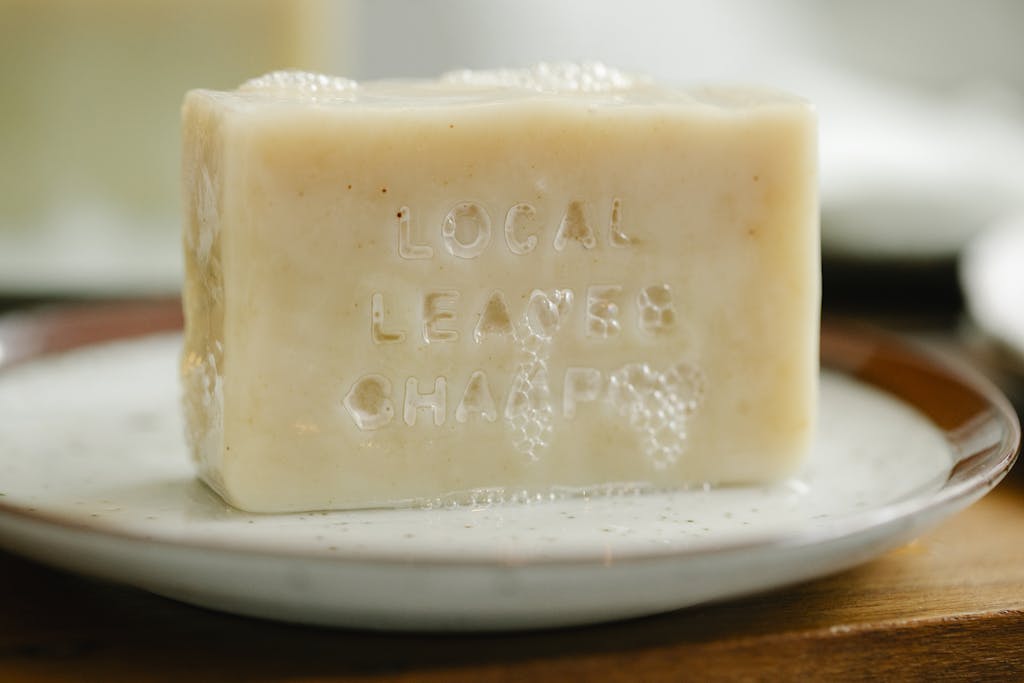
- Handmade soap allows for customization with various types of soap, catering to individual preferences.
- Soap-making can be a creative hobby, combining science and art.
- Soap products can have an expiration date, especially if they contain natural ingredients.
- High-quality soaps often retain natural glycerin, which helps moisturize the skin.
- Solid soaps are more environmentally friendly due to less packaging and longer shelf life.
- Own soap recipes can be tailored to personal skin needs and scent preferences.
- Waste products from soap-making, like glycerin, can be repurposed in other products.
- Animal products like tallow are traditional soap ingredients but are avoided in vegan formulations.
- The textile industry historically used soap for cleaning and preparing fabrics.
- Handmade natural soap often uses different oils to achieve desired qualities.
- The chemical process of saponification is essential in transforming fats and oils into soap.
- Soap manufacturing processes have evolved over time, balancing tradition and innovation.
Have You Ever Made Soap? Here are Some Recipes for Beginners:
Bonus: Free Printable – “Soap Facts & Fun” Activity Sheet
To make learning about soap even more engaging, we’ve created a free printable activity sheet featuring fun facts and a soap-making word search.
Leave a Reply